The Cultural Bridge: How Chambers Help Businesses Connect Across Borders
23 September 2025
“We can’t build bananas in America” was Congresswoman Madeleine Dean’s memorable response to the US Commerce Secretary on 6 June, as she pushed back against his suggestion that import tariffs always lead to the reshoring of production. If there was ever a reminder that geographical differences drive trade, this was it.
Culture is an equally powerful trade driver (and potential hinderance) - one that is harder to anticipate, and more changeable, than geography. Culture creates a demand for bananas, whether they are produced locally or not, and cultural shifts can make some products wanted, or unwanted, very quickly. Lime green Crocs, or a bowl of Lucky Charms cereal, anyone?
For decades, chambers of commerce have acted as a vital bridge for businesses aiming to sell internationally. Thanks to their unique peer-to-peer inter-chamber relationships, Chambers allow members to connect with businesses in pretty much any market on earth, tapping into information and networks, giving them a fast track to local knowledge and growth opportunities.
In a world where a bewildering amount of information is available online, chambers also provide something that our increasingly virtual world of trade desires – personal connection. Alongside with price and quality, customers often want to know who they are buying from, whether that supplier understands their needs, and if they can be trusted to deliver. “China is a good example of a country where it’s important to first demonstrate that the relationship is important to you; that you’re the kind of person who will help your customer resolve problems, no matter whose fault they are”, says Chamber International Senior Associate Matthew Grandage, whose life has revolved around China for more than 25 years.
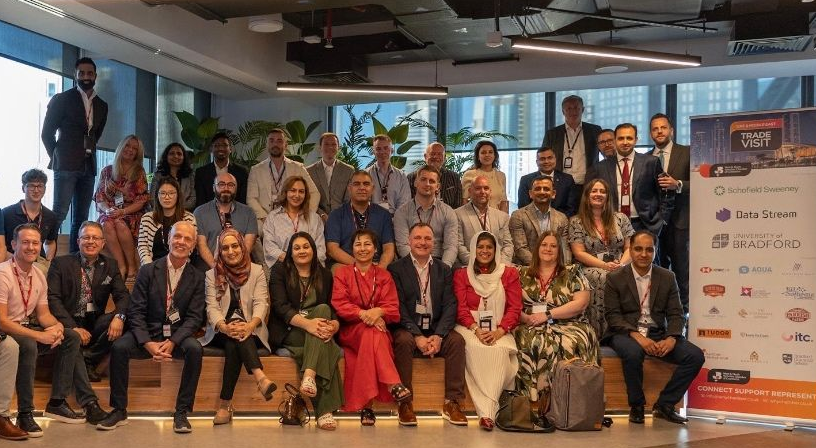
Head of International Trade Nikki Clow (pictured below, front row, second from the right) experienced this first-hand, leading and supporting trade missions with Chamber International. She is now preparing to co-lead a multisector delegation to Saudi Arabia and Bahrain in November 2025. The Gulf region represents an important and fast-growing opportunity for British exporters across food and drink, healthcare, infrastructure, engineering and education sectors. “Our local chamber partners will play a vital role in preparing the way, setting expectations, and facilitating good communication between businesses. The region has developed a culture that appreciates British quality, but UK businesses also need to approach cultural differences carefully – something our chamber partners excel at supporting”, she says.
CI has long seen its team’s diversity as vital, and continues to recruit international trade professionals with proven intercultural skills, including language expertise, so that UK businesses can not only enter new markets, but also thrive within them.
Contact us to discover more about our upcoming trade missions.
Follow Chamber International on Twitter @ChamberInt and on LinkedIn for the latest in international trade.