Leeds Arts University Takes Art Across Borders with an ATA Carnet
21 September 2026
How do artworks get moved to overseas exhibitions without being hit by inappropriate taxes each time they cross a border?
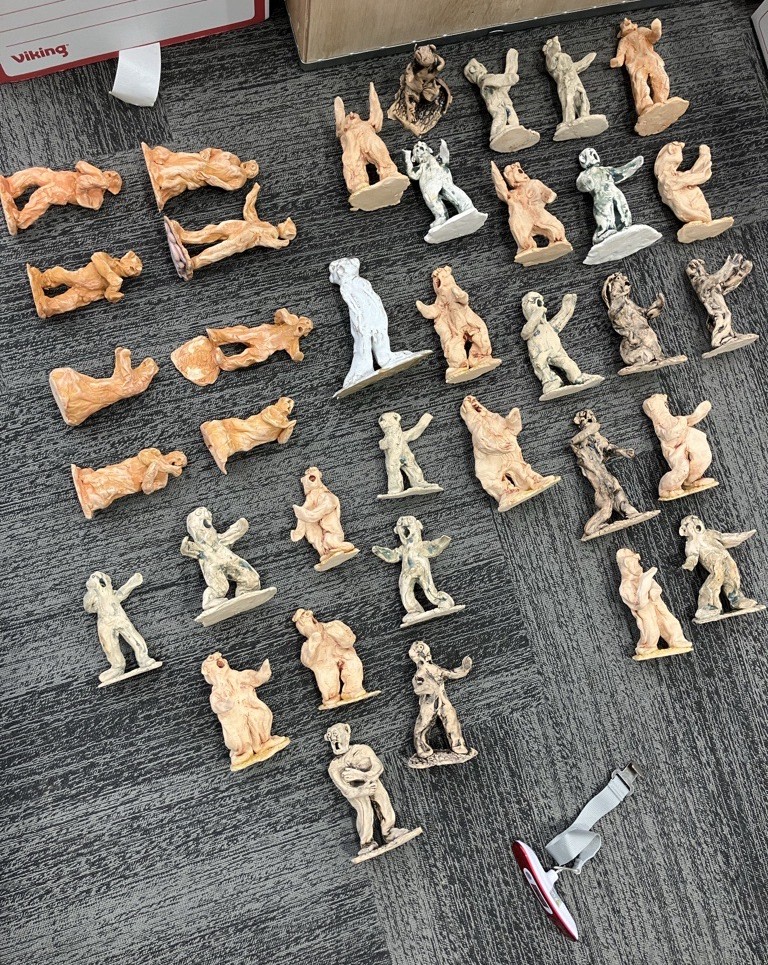
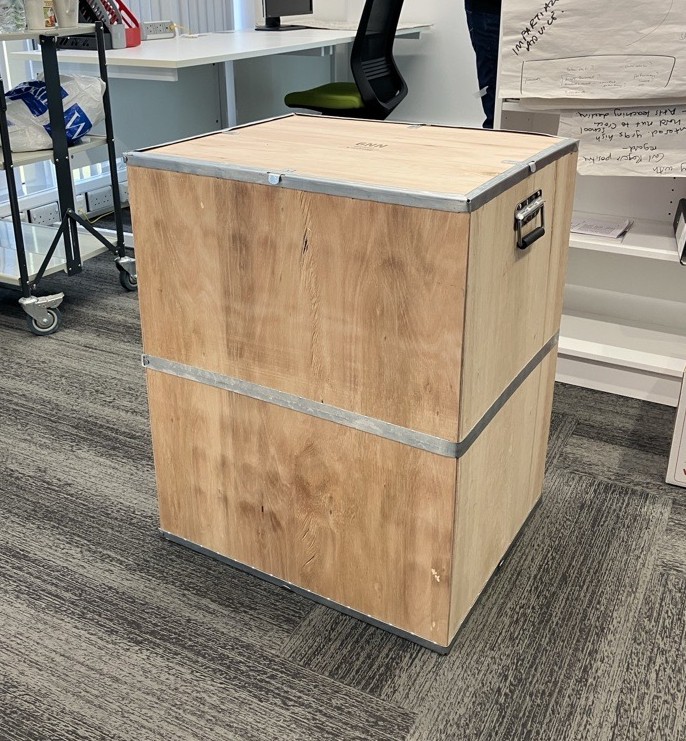
Research Coordinator Henry Gonnet faced this question when arranging for forty-eight original ceramics and prints to be sent from Leeds Arts University to Austria this summer. The pieces, which were painstakingly packed together in one large crate and one flat package, were too delicate to be posted and needed to be couriered instead. By arranging in advance for a single ATA Carnet from Chamber International, sometimes called a ‘passport for goods’, Henry could be certain the shipment would not be held up by customs when the courier arrived in the EU, or on return to the UK.
After arriving in the Austrian city of Graz, the shipment was carefully unpacked, and the items placed in their new temporary home – a ground-breaking art installation in the form of an older person’s bedroom that had within it sculptures, prints and textiles, that told stories of the inner life of the now disappeared individual.
‘The theme of the installation is interoception’ explained LAU Research Fellow Associate Professor Garry Barker. ‘That is, how we can visualise the things going on inside the body - a back pain, a heart racing, or feelings of isolation and loneliness, for instance’.
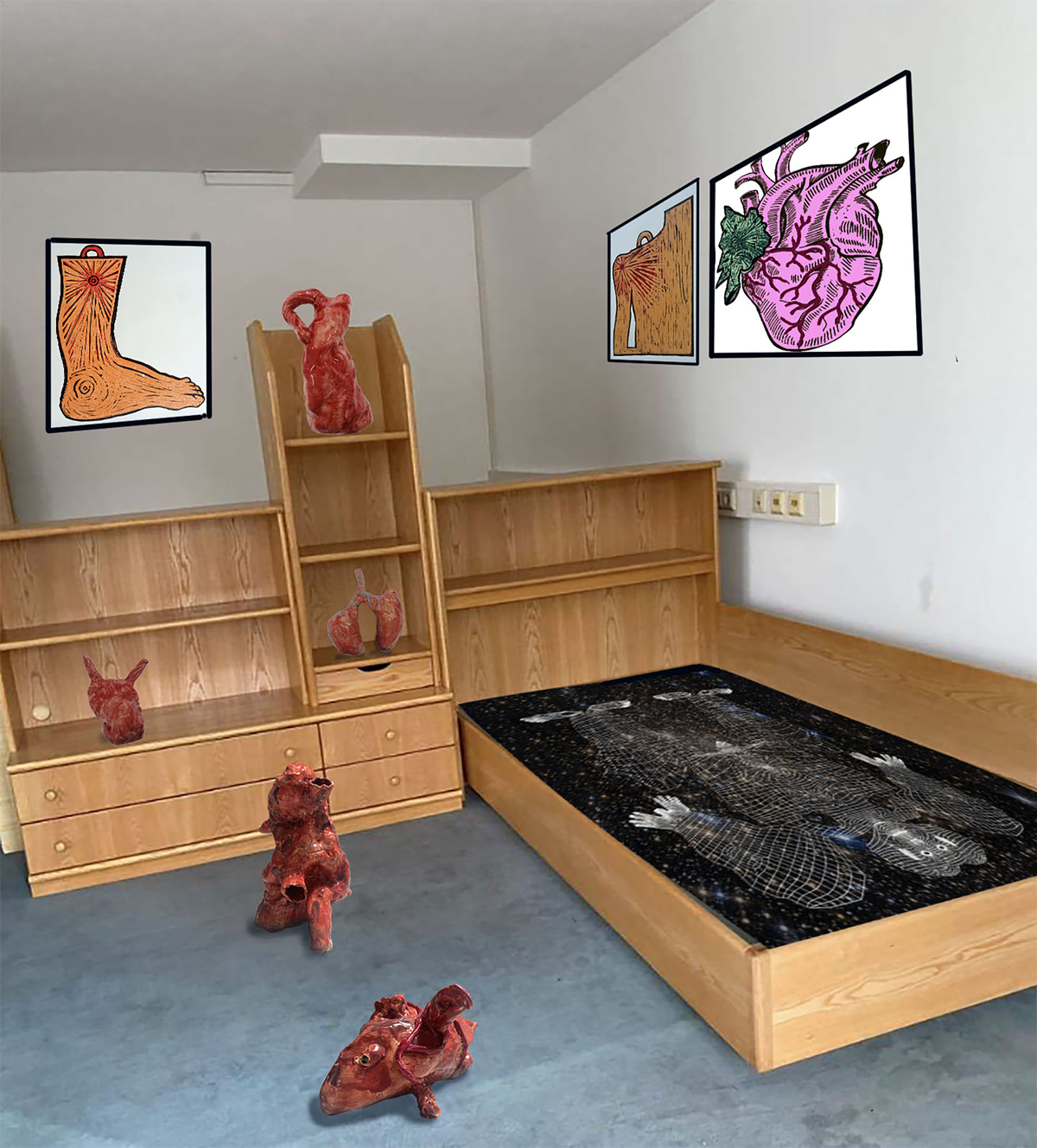
Many of the artworks were created by artist researcher Garry Barker in response to conversations, sometimes with spinal injuries patients at Pinderfields Hospital in Wakefield and also with older people in Leeds. The work for the exhibition in Austria was part of a wider collaboration with the Centre for Interdisciplinary Research on Aging and Care at the University of Graz.
A slight hiccup arose when the artworks re-entered the UK – the UK Border Force officials were unfamiliar with the carnet that accompanied the shipment, and were asking to receive a separate packing list or commercial invoice for the goods – which is not required when using an ATA Carnet. But the problem didn’t last long: ‘I contacted Tamires at Chamber International, and she provided me with expert advice on what to include in the email to UK Border Force to explain how they need to use the ATA Carnet. Upon sending the email including the instructions as advised by Tamires, the issue was resolved in timely manner’, said Henry. ‘Avoiding extra fees is where the ATA Carnet becomes very, very helpful’, he commented.
Tamires Souza-Cichorz, CI’s ATA Carnet service coordinator, said ‘We normally provide carnets for people carrying their professional tools abroad, such as inspection equipment, cameras, and even musical instruments. But artworks for temporary exhibitions benefit from the ATA Carnet service too, and can sometimes make the difference between an overseas exhibition being viable or not. The new digital carnets save masses of paper, and streamline the process at the border’.
Taking goods overseas temporarily? Speak to our ATA Carnet team about making the journey through customs simpler. Speak to our team.
Follow Chamber International on LinkedIn for the latest in international trade.